
IP Addresses and Netmasks Explained: A Practical Guide
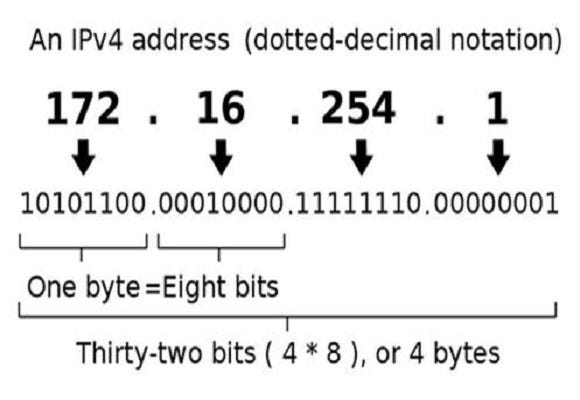
Every device on a network — from your laptop to a Kubernetes node — needs an IP address. But what exactly is an IP address, and how do netmasks determine which devices can talk to each other? If you've ever been confused by CIDR notation like 10.4.3.0/24 or wondered why your private IP can't reach the internet directly, this guide is for you. What you'll learn * What IP addresses are and how they're structured (IPv4 vs IPv6) * The difference between public and private IP addresses *
Blocking Specific Websites with Linux Routing Tables
Want to allow Google but block Facebook on a Linux system — without installing any firewall software? You can do it by manipulating the routing table. This guide covers the networking fundamentals (IP addresses, netmasks, CIDR, gateways) and then walks through the practical setup on RHEL 8. What you'll learn * IP addresses, IPv4 vs IPv6, and how they work * Netmasks and CIDR notation * What a gateway is and how routing tables work * Blocking specific websites by manipulating routes

Network Topology: One System Pinging Two Others with Netmasks
Can one system ping two others, while those two systems can't ping each other? It sounds like a puzzle, but it's a practical demonstration of how routing tables and netmasks control network reachability. In this guide, you'll build this topology with three RHEL 8 VMs and understand exactly why it works. What you'll learn * How routing tables and netmasks control which systems can communicate * Configuring IPs and routes with ifconfig and route * Why a /29 netmask allows 8 IPs but a
Enjoyed reading about Networking?
Subscribe to get notified when new articles on this topic are published.
You'll receive a welcome email with a confirmation link. No spam — unsubscribe anytime.